Most founders think about office environment as a culture initiative — something delegated to HR, measured in employee satisfaction surveys, and treated as a cost center rather than a performance lever.
The data tells a different story.
Team energy — the collective motivation, focus, and creative output of your people — is directly shaped by the physical environment they work in every day. And in Jakarta’s competitive business landscape, where talent retention is increasingly difficult and hybrid work has raised the bar on what “coming to the office” needs to deliver, a people-friendly office isn’t a nice-to-have. It’s a strategic asset.
Here’s what C-level leaders in Jakarta should actually understand about the relationship between physical environment and team performance.
What “Team Energy” Actually Means for Business Outcomes
Team energy isn’t a soft metric. It’s the operational state of your organization’s most expensive asset.
When team energy is high, problems get solved faster, collaboration is proactive rather than reluctant, and the quality of output reflects people working at their actual capability. When it’s low — driven by environment, commute fatigue, physical discomfort, or a sense that leadership doesn’t care — you’re running your business at a fraction of its real capacity, while paying full salary cost.
The physical office environment is one of the few variables a C-level leader can directly control that has an immediate and measurable impact on team energy. Choosing a people-friendly office in Jakarta isn’t an aesthetic decision. It’s an operational one.
How Physical Environment Drives — or Drains — Team Performance
Natural light and spatial design Research in workplace psychology consistently links exposure to natural light with improved focus, reduced fatigue, and higher reported job satisfaction. Office layouts that alternate between collaborative zones and quiet focus areas reduce the friction that comes from forcing all work styles into a single environment.
For Jakarta-based teams specifically — where commutes are already taxing — arriving at a workspace that feels comfortable and well-designed rather than sterile and cramped makes a meaningful difference in the energy people bring to their first hour of work.
The infrastructure your team doesn’t talk about but feels Unreliable internet, uncomfortable furniture, inadequate break spaces, or poor air conditioning don’t generate complaints in town halls — they generate quiet disengagement. Employees adjust around broken infrastructure rather than escalating it, and that adjustment costs focus and momentum every single day.
A people-friendly office in Jakarta eliminates this category of friction entirely. It’s not about luxury — it’s about removing the environmental drag that silently limits team output.
Social infrastructure and community People-friendly offices are designed for human interaction, not just task completion. Spaces that enable informal conversations — a well-placed break area, a communal zone between meeting rooms, a lobby that encourages brief encounters — generate the ambient social connection that sustains team cohesion over time.
This matters especially in Jakarta’s post-pandemic workplace, where rebuilding genuine team culture requires more than scheduling mandatory team events. It requires an environment that makes spontaneous connection natural.
The Retention Argument: Environment as a Competitive Signal
Jakarta’s talent market is competitive at every level. Senior hires have options, and they evaluate culture partly by reading the office environment before any cultural document or HR conversation.
A people-friendly office signals — visibly and immediately — that leadership invests in how people experience their work. This matters during recruitment, and it matters even more during the moments when a key employee is considering whether to stay.
The cost of replacing a high-performing employee in Jakarta typically exceeds several months of their salary when recruiting, onboarding, and productivity ramp-up are fully accounted for. The right office environment is significantly cheaper than that cost, incurred repeatedly.
What a People-Friendly Office in Jakarta Actually Looks Like
The marker isn’t expensive furniture or a rooftop terrace. It’s whether the environment removes friction, enables performance, and signals that the people working there are valued.
Concretely, this means:
- Ergonomic, comfortable workspaces that support sustained focus without physical cost
- Varied spatial zones — collaborative areas, quiet zones, and informal meeting spaces that match how different work actually happens
- Reliable infrastructure — internet, security, climate control, and building management that works consistently without requiring workarounds
- Access to supporting amenities — food, parking, rest areas — that reduce the energy employees spend on logistics outside their actual work
- A professional community around them that sustains the sense of being part of something larger than their immediate team
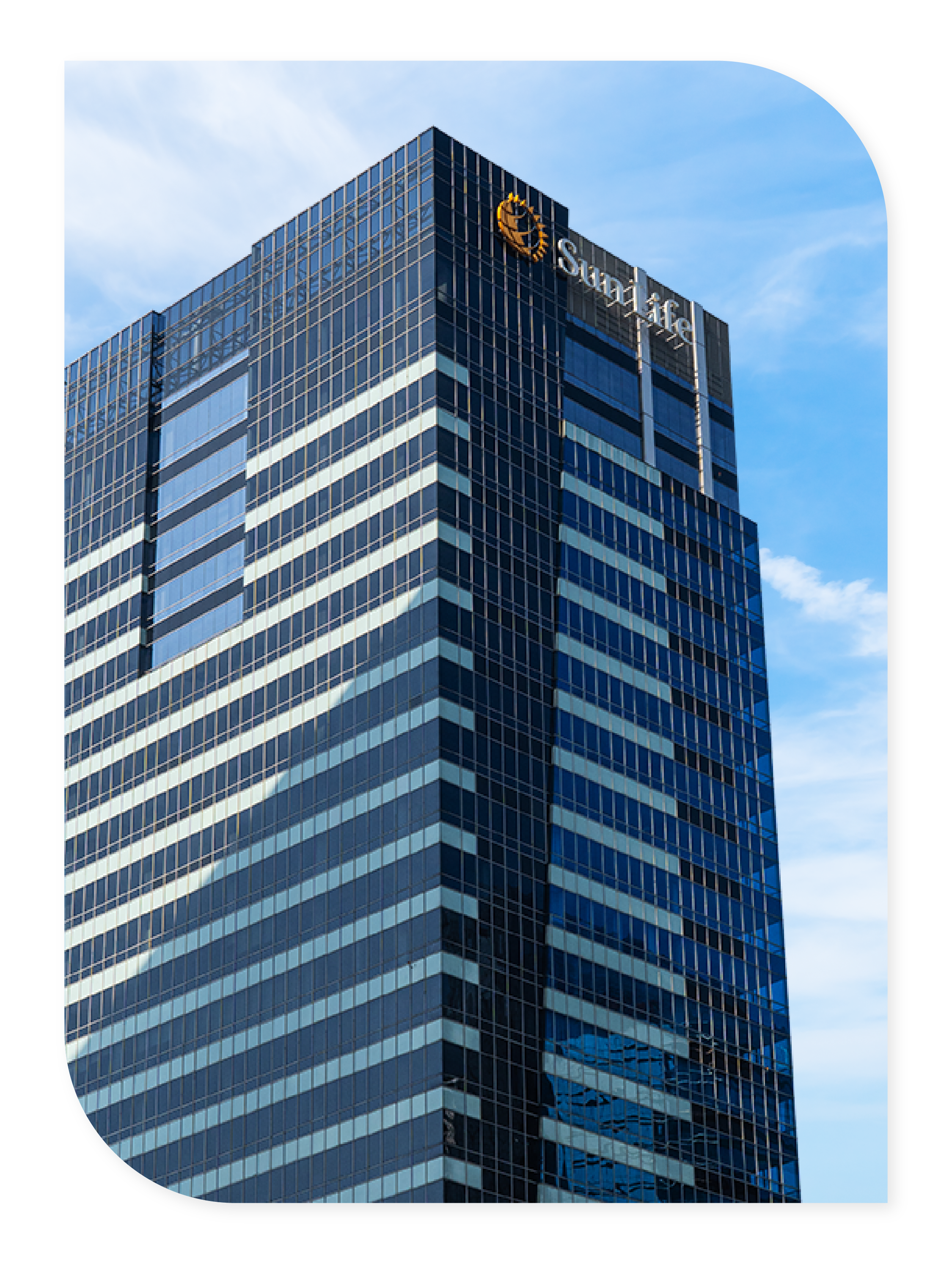
Menara Sun Life: A People-Friendly Office Environment in Jakarta
Menara Sun Life is designed to deliver on each of these dimensions — not as a premium add-on, but as the baseline of what a professional office environment in Jakarta should be.
What this means in practice for your team:
- Thoughtfully designed workspaces with flexible configurations that support different work styles and team structures
- Stable, professional infrastructure — high-speed internet, 24/7 security, and building management that responds before problems become disruptions
- A built-in professional community through Kreador Coworking Space and regular programming that keeps the environment active and connected
- Supporting facilities — parking, break areas, and client-ready meeting rooms that reduce daily friction for both your team and visiting clients
- Strategic South Jakarta location accessible from major residential corridors, reducing commute burden and broadening your talent reach
For founders and C-level leaders evaluating office options in Jakarta, Menara Sun Life offers an environment where people-friendly design and business performance aren’t in tension — they’re the same thing.
The Decision Framework
When evaluating whether an office environment in Jakarta is genuinely people-friendly, ask these questions:
Does the space reduce friction for my team’s daily work, or add to it? Does it signal to candidates and clients that this is a serious, invested organization? Does it support the kind of team energy that produces the output I’m expecting? And does it do all of this at a total cost — including its impact on retention, recruitment, and productivity — that makes business sense?
If the answer is yes across all four, you have a people-friendly office. If it’s not, you’re managing the gap between environment and expectation every quarter.
Ready to see what Menara Sun Life offers your team? Schedule a visit and explore the environment firsthand. [Contact our team →]