Jakarta doesn’t ease you in. By 7 AM, the city is already moving — commuters on the MRT, motorbikes threading through Mega Kuningan, and the smell of kopi susu drifting out of every lobby café. The professionals who consistently outperform in this city didn’t stumble into their routines. They engineered them, intentionally, around one truth: how you start your morning determines how far your afternoon gets you.
Here’s what Jakarta’s most productive people actually do before 9 AM — and why a growing number of them are doing it from Menara Sun Life.
They Wake Up Before Jakarta Wakes Up
Ask any high-output professional in Jakarta about their morning, and the answer almost always starts the same way: early.
Not 8:59 AM early. We’re talking 5:00 to 6:30 AM.
This isn’t a productivity cliché. Jakarta’s traffic is a real variable. The difference between leaving home at 6:30 AM versus 8:00 AM can mean arriving fresh and clear-headed instead of already drained from sitting in gridlock for ninety minutes. Jakarta’s peak hour congestion consistently ranks among the worst in Southeast Asia — losing that battle before you’ve even sat down at your desk is a momentum killer.
Professionals who treat their commute as a fixed, unavoidable cost tend to build their mornings around it. They leave earlier, arrive earlier, and use that window before the building fills up to do their most important thinking.
They Protect the First Hour From Their Phone
The single most common habit among Jakarta’s high performers? They don’t check their phone the moment they wake up.
This sounds almost impossibly simple. And yet it’s the habit most people break within sixty seconds of their alarm going off.
The problem isn’t discipline — it’s architecture. Most people’s phones are their alarm clocks, which means the device that wakes them up is also the device that immediately floods them with notifications, WhatsApp messages, and whatever was trending at midnight. The brain shifts into reactive mode before it’s had a chance to think proactively.
Productive professionals in Jakarta restructure this. Alarm on the phone, yes — but notifications off until they’ve completed at least one intentional morning activity first. Whether that’s prayer (Fajr for many in this city), a ten-minute walk, journaling, or just coffee and silence, the point is the same: own the first hour before the world starts making demands of you.
They Have a Physical Morning Anchor
The most effective morning routines in Jakarta aren’t all identical, but they share one structural quality: a physical anchor habit that signals “the day has started.”
For some, it’s Subuh prayer — a built-in framework that pre-dates any productivity system and sets a meditative, grounding tone before 5 AM. For others, it’s a run around their neighborhood or a gym session. For a meaningful subset of professionals, especially those based in South Jakarta’s business corridors, it’s arriving early at the office and taking advantage of a building that’s designed for it.
This is where workspace design actually matters.
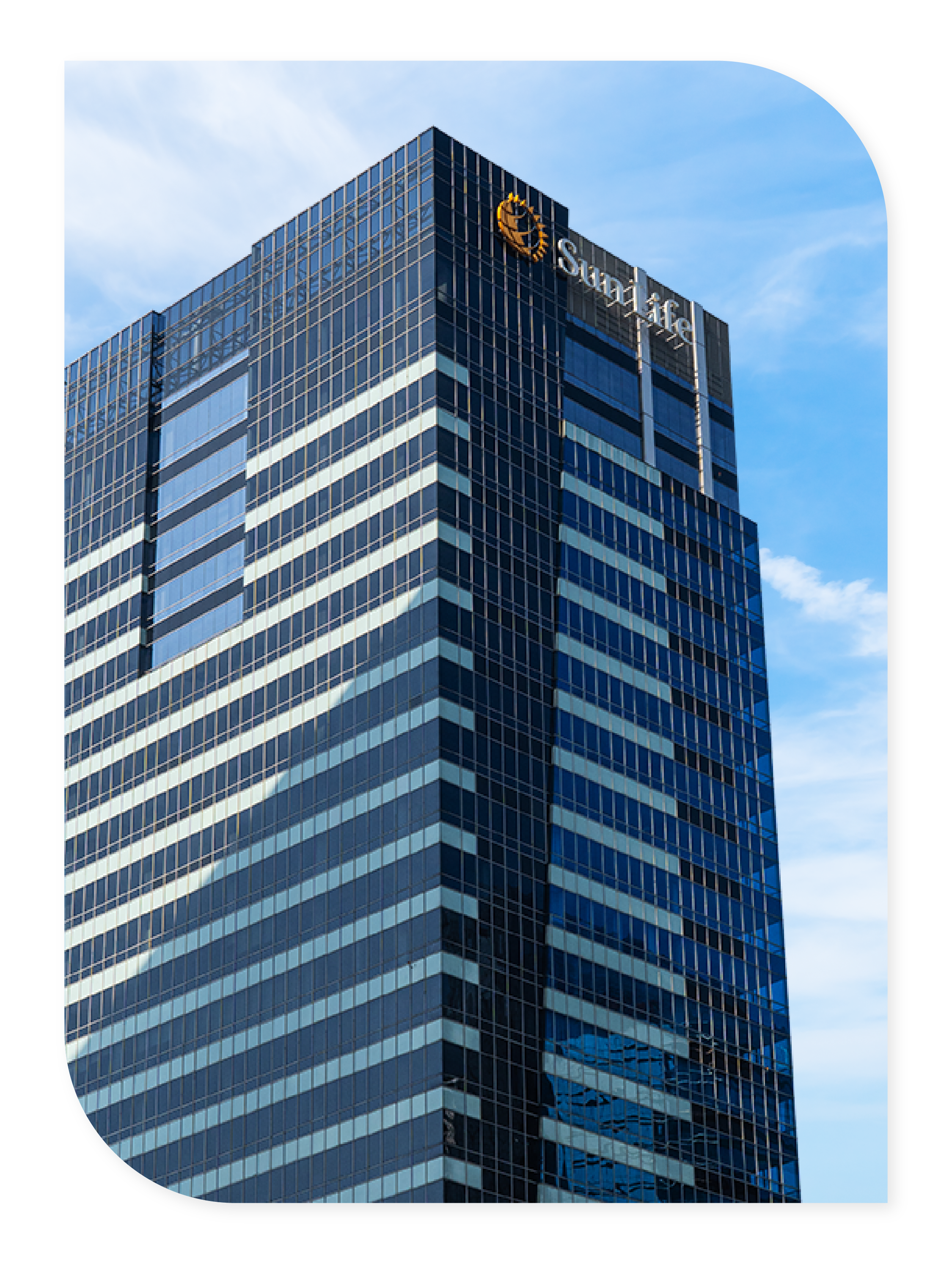
Menara Sun Life — the 32-floor Grade A office tower in Kawasan Mega Kuningan — has become a quiet favourite among Jakarta’s early starters. The building includes shower facilities, which means professionals who run, cycle, or gym before work aren’t choosing between their fitness habit and showing up presentable. They do both. The shower is the bridge.
It sounds like a minor amenity. It isn’t. Removing friction from your morning anchor habit is what makes it sustainable over months, not just weeks.
They Distinguish Between “Busy Work” and “Real Work”
Jakarta’s workplace culture is relationship-driven and meeting-heavy. This creates a specific productivity trap: professionals spend the most cognitively valuable hours of their morning in coordination and communication tasks, and leave their actual thinking work for the afternoon — when their energy is lower.
The highest-output professionals in the city have learned to flip this.
They use the first 60–90 minutes at their desk for deep, focused work. No meetings. No lengthy WhatsApp threads. Just the one or two things that actually move the needle that day. Everything else — email, coordination, catch-ups — gets scheduled after that first block.
This requires an environment that supports it. Open-plan shared offices with constant foot traffic, noise, and interruption make deep work nearly impossible. Private offices and quiet coworking spaces that allow real focus make it practical.
At Menara Sun Life, tenants can choose between private offices for fully controlled environments and shared professional workspaces (through Kreador, the in-building coworking brand, and Regus on the upper floors) for flexibility. Floor-to-ceiling windows facing the Mega Kuningan skyline don’t hurt either — natural light has a measurable effect on alertness and sustained focus in the morning hours.
They Eat Breakfast — and They Don’t Eat at Their Desk
This one gets skipped constantly. Jakarta’s professional culture normalizes arriving rushed, eating something minimal (or nothing), and treating breakfast as a luxury for weekends.
Productive professionals treat it as non-negotiable.
The reason is straightforward: blood glucose levels directly affect cognitive performance. Skipping breakfast doesn’t make you leaner or more focused — it makes you prone to decision fatigue by 10 AM and energy crashes by noon.
The good news for professionals at Menara Sun Life: they don’t need to commute to find a proper meal. The building’s ground floor hosts Cacamarica, which brings Indonesian cuisine to the morning routine in a form that’s both quick and satisfying. The surrounding Mega Kuningan area — within a five-minute walk — offers everything from soto to Western café-style breakfasts.
Taking 20 minutes away from the desk to eat properly isn’t wasted time. It’s cognitive maintenance.
They Set Three Intentions Before Checking Email
Here’s a ritual that sounds small but compounds over time: before opening email or messaging apps, write down the three outcomes you need to achieve by end of day.
Not a task list. Not a to-do dump. Three specific, completable outcomes.
This practice — sometimes called the “Big Three” or “MIT (Most Important Tasks)” in productivity circles — forces you to think in terms of results rather than activity. It also gives you a filter for the day: every meeting, every message, every request gets evaluated against whether it helps or hinders those three things.
The best time to do this is before the inbox opens. Once you’re reading email, you’re already in reactive mode. Set the agenda first.
They Use Their Workspace as a Signal, Not Just a Location
The most underappreciated productivity insight isn’t a habit — it’s an environment.
Your brain uses environmental cues to determine what mode it should be in. A home with a couch, a bedroom, and a kitchen sends signals that compete with focus. A well-designed professional workspace — especially one in a building with dedicated coworking culture — sends a consistent signal: this is where work happens.
This is part of why professionals who work from premium offices like Menara Sun Life often report higher focus than those in purely home-based setups. It’s not just the amenities. It’s the psychological architecture of arriving at a place designed for professional output.
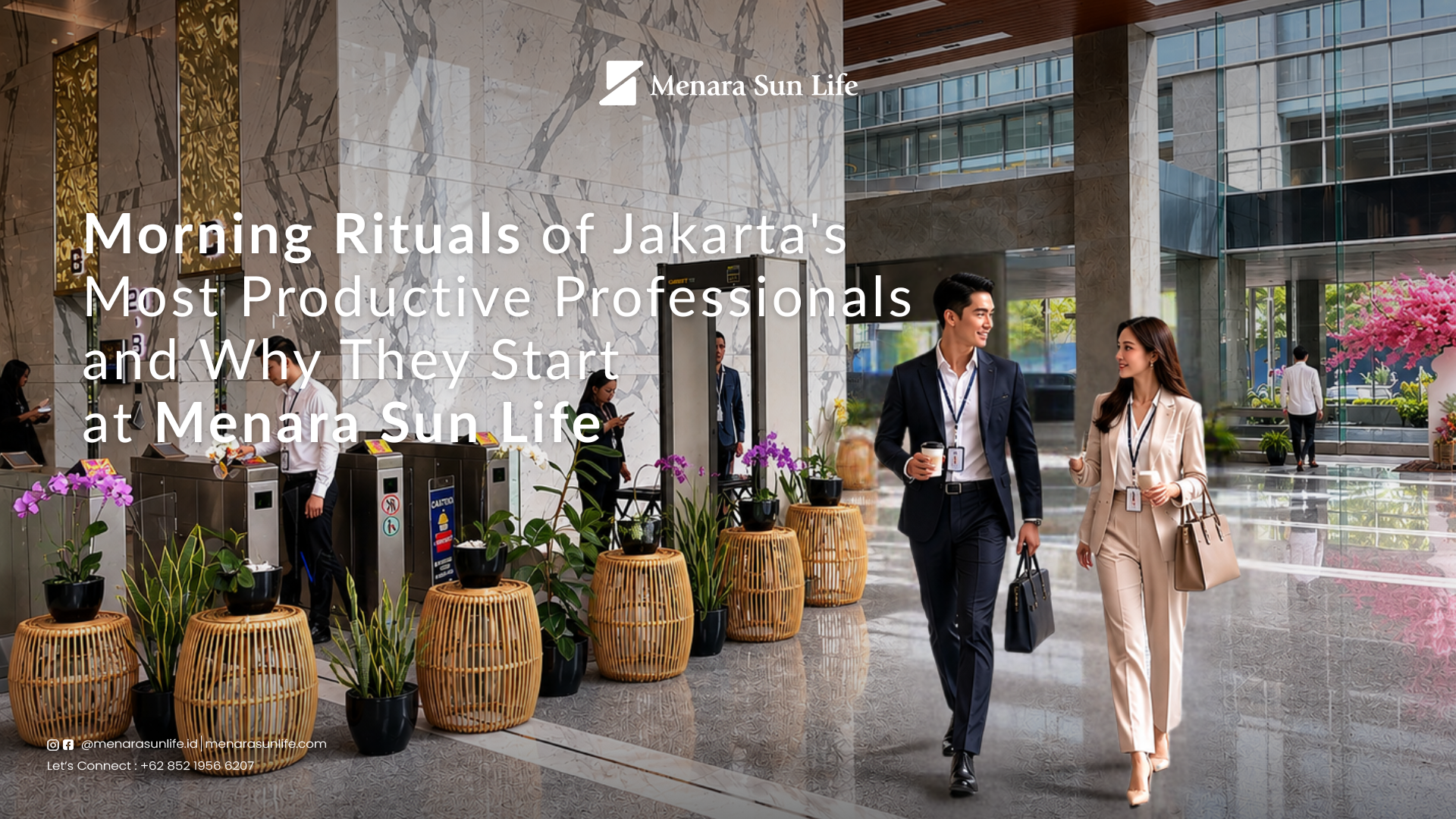
Menara Sun Life was designed with exactly this in mind. A grand marbled reception area, secure 24/7 access for members, high-speed business-grade WiFi, equipped meeting rooms bookable via app, and a building community of tenants across 32 floors — all of it signals seriousness, professionalism, and focus the moment you walk through the door.
The building even has an electric vehicle charging station for those whose morning commute is part of their environmental values. Small things that add up to: this place takes your workday seriously.
They Plan Tomorrow’s Morning Tonight
The final ritual isn’t a morning habit at all. It’s what happens the night before.
Productive professionals don’t improvise their mornings. They prepare them. Before leaving the office — or before the workday ends at home — they spend five minutes doing three things:
Clearing their desk (physical or digital) so they don’t arrive to yesterday’s chaos.
Writing the next day’s three priorities so they wake up knowing what they’re doing.
Reviewing the next morning’s schedule so there are no surprises in the first hour.
This five-minute closing ritual means the morning routine starts before the alarm goes off. You wake up with a plan, not a question.
Why the Right Workspace Completes the Ritual
Morning rituals are personal. But they don’t happen in isolation — they happen in a context. The city, the commute, the building, the desk: all of it either supports or undermines the habits you’re trying to build.
Professionals who want to show up sharp, focused, and ahead of the city’s pace need a workspace that meets them at that level. Not a cramped rental with shared bathrooms and unreliable WiFi. A building that treats their professional life as something worth investing in.
Menara Sun Life in Kawasan Mega Kuningan offers exactly that: 32 floors of premium office space, flexible options from private suites to coworking desks, shower facilities for active professionals, in-building dining, EV charging, and one of South Jakarta’s most strategic addresses. Whether you’re a startup scaling fast, a regional team anchoring in the capital, or an established enterprise looking for a building that matches your ambition, the rituals you build here will be built on solid ground.
Your most productive mornings in Jakarta are waiting. The question is where you’ll spend them. Ready to make Menara Sun Life the anchor of your best mornings?
Explore available office spaces, coworking options, and building facilities at Menara Sun Life or visit the building at Jl. Dr. Ide Anak Agung Gde Agung Blok 6 No. 3, Kawasan Mega Kuningan, Jakarta Selatan.