Did you know that 60% of corporate event planners consider logistics the most chaotic part of event planning? As a result, many planners feel overwhelmed before the event even begins. From selecting a venue to managing technical support, the process can quickly become stressful.
However, hosting an event doesn’t have to be complicated. With the right strategy and environment, you can create a seamless and professional experience. In this article, you’ll discover practical ways to simplify planning and deliver a memorable event for your attendees.
Understanding the Essentials of Event Planning
To begin with, you need to understand the core elements of event planning. These include setting clear objectives, managing your budget, choosing the right venue, and understanding your audience.
By focusing on these fundamentals, you build a strong foundation for success.
Establishing Clear Objectives
First, define your event goals. Do you want to educate, inform, or create networking opportunities?
Once you clarify your purpose, every decision becomes easier. For example, your seating arrangement and speaker selection will naturally align with your objective.
Budget: The Lifeblood of Your Event
Next, set a realistic budget. Allocate your funds across essential areas such as venue, catering, technology, and marketing.
By doing so, you maintain control over expenses. In addition, you reduce the risk of unexpected costs later on.
Choose the Right Venue
After that, focus on selecting the right venue. The space should reflect your event’s tone while supporting all functional needs.
When evaluating a venue, consider:
- Capacity – Ensure the space accommodates your audience comfortably
- Location – Choose an easily accessible venue
- Facilities – Look for modern amenities such as AV equipment and high-speed internet
Ultimately, the right venue shapes both the perception and the experience of your event.
Understanding Your Audience
At the same time, you must understand your audience. Their preferences and expectations play a key role in your event’s success.
With this in mind, you can design an experience that feels relevant and engaging.
The Role of a Well-Designed Space
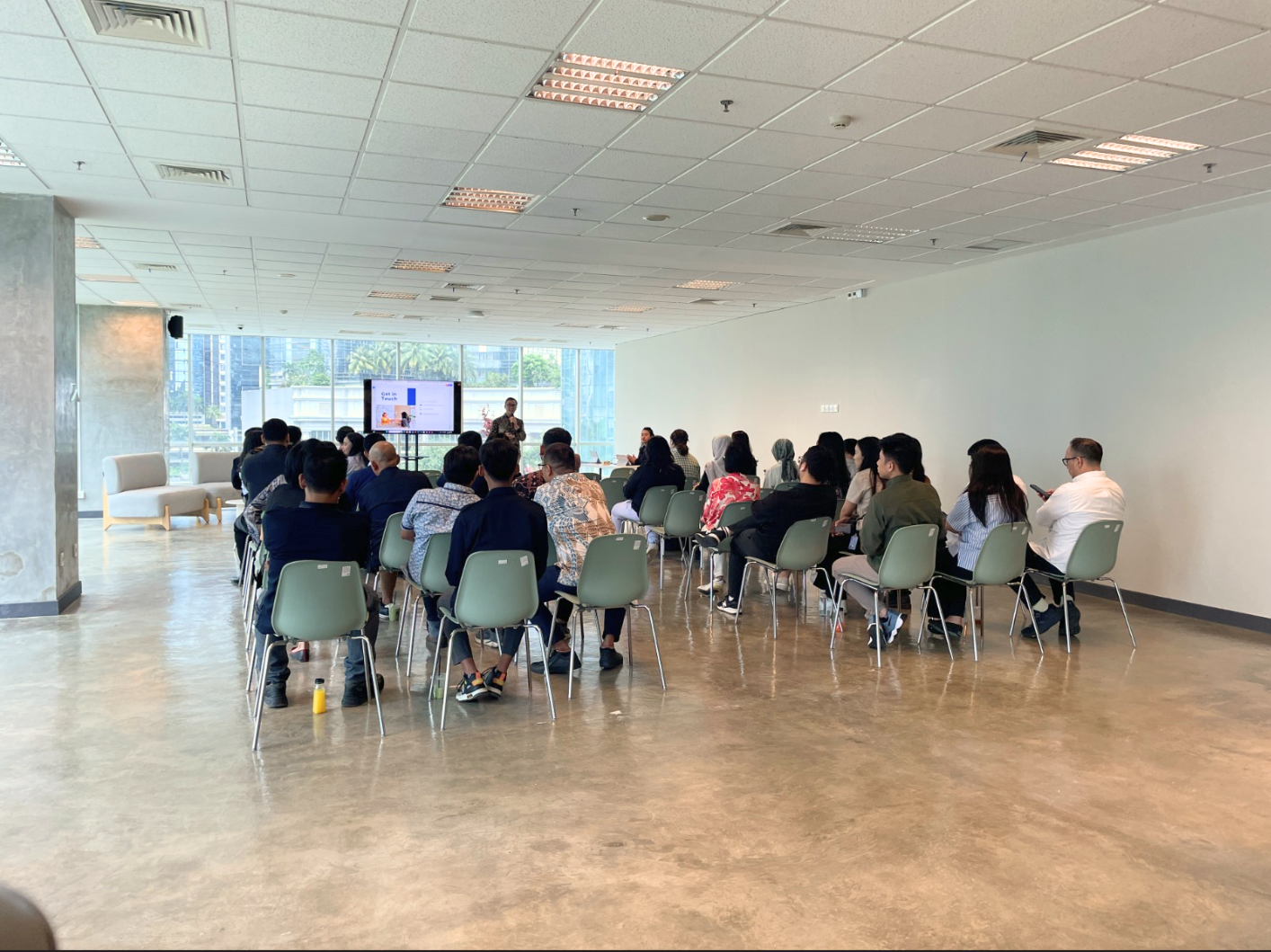
Moreover, a well-designed space can significantly improve your event. It enhances comfort, supports professionalism, and ensures smooth flow throughout the program.
When choosing a venue, pay attention to these key features:
Modern Facilities and Amenities
- High-Speed Internet
This ensures smooth presentations and uninterrupted communication. - Comfortable Seating
As a result, attendees stay focused and engaged during longer sessions. - Ambiance
Lighting and décor help set the tone and elevate the overall experience.
Professional Management Support
In addition, professional support plays a crucial role. A dedicated team can handle setup, technical issues, and coordination.
Because of this, you can focus entirely on your guests instead of worrying about logistics.
Efficient Event Logistics
Once you secure the venue, the next step is execution. Smooth logistics ensure your event runs without disruption.
Streamlined Check-In Process
First, simplify the registration process. Use QR codes or digital check-ins to reduce waiting time.
As a result, attendees enjoy a positive first impression.
Flexible Layouts
Additionally, choose a space that offers flexible layouts. You may need to switch between presentations, workshops, and networking sessions.
This flexibility allows your event to run more efficiently.
Catering Considerations
Furthermore, food plays an important role in the overall experience. Offer a variety of options that meet different dietary needs.
At the same time, creative serving styles can encourage interaction among guests.
Engaging Your Audience During the Event
Equally important, audience engagement determines the success of your event. Without it, even well-planned events can feel flat.
Interactive Activities
For instance, include polls, Q&A sessions, or group discussions.
These activities keep attendees actively involved.
Networking Opportunities
Meanwhile, create dedicated networking sessions. Use ice-breakers to encourage conversations.
Consequently, attendees gain more value from your event.
Post-Event Follow-Up
Finally, don’t overlook the follow-up process. Collect feedback and evaluate your event performance.
By doing this, you gain valuable insights for future improvements.
Conclusion: Where Do We Go From Here?
In conclusion, hosting an event doesn’t have to feel chaotic. With the right planning strategy and a well-designed space, you can create a seamless and professional experience.
Ultimately, success comes from preparation, the right environment, and attention to detail.
Ready to Host Better Events?
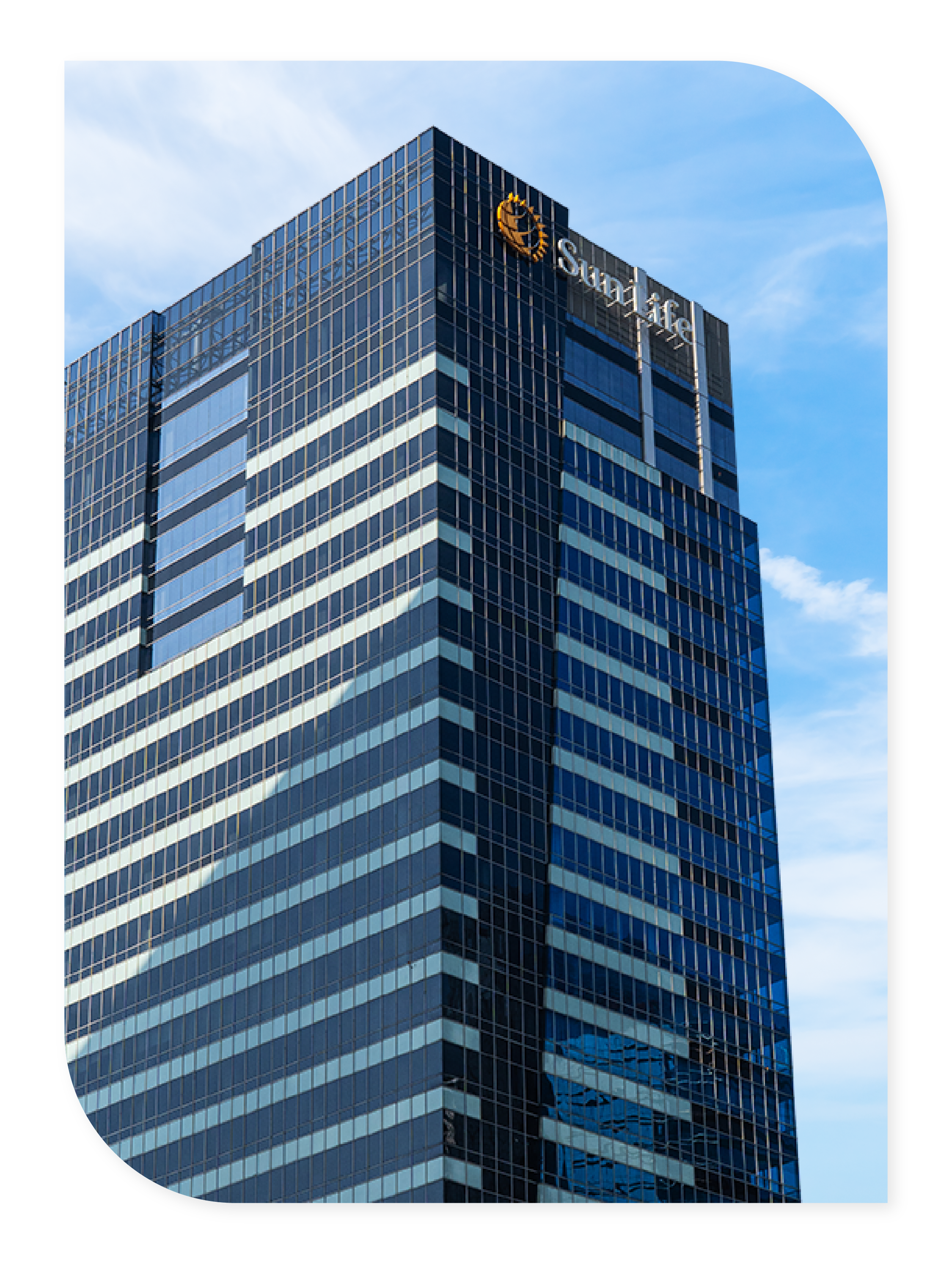
If you’re looking for a space that combines comfort, professionalism, and efficiency, Menara Sun Life offers the ideal solution for your next event.
With modern facilities, a strategic location, and flexible layouts, your event can run smoothly from start to finish.