Did you know that a staggering 70% of employees feel disconnected in their workplace? This startling statistic underlines a growing issue in modern work environments, as many individuals struggle to find their place within the often sterile confines of traditional office settings. It’s no secret that fostering connections among workers can lead to a more motivated, engaged, and productive workforce. This blog post will dive deep into how on-site community spaces, such as compound areas, game zones, employee canteens, and food court areas, play a pivotal role in transforming workplaces into vibrant ecosystems that not only promote productivity but also enhance social interactions. By exploring the psychological and sociological benefits of such spaces, this article aims to equip company owners, HR leaders, and building designers with insights to revolutionize workplace design and create environments where employees can thrive both individually and collectively. Get ready to rethink how you perceive workplace culture!
Understanding the Disconnection in Modern Workplaces
In today’s fast-paced and digitally connected world, the irony is that many employees report feelings of isolation and disengagement. The traditional model where employees work in isolated cubicles, with minimal interaction opportunities, is increasingly being recognized as outdated. With remote work becoming a norm due to the pandemic, many office workers have found themselves lacking the camaraderie that shared spaces offer. This disconnection can influence not only individual performance but can significantly impact overall company culture and employee retention rates.
The Importance of Community Spaces
Community spaces are designed to facilitate interactions, foster relationships, and build a sense of belonging among employees. When utilized effectively, these areas can prevent isolation, promote collaboration, and encourage creativity. But what exactly are community spaces in workplaces, and how can they remedy disconnection?
What Are Community Spaces?
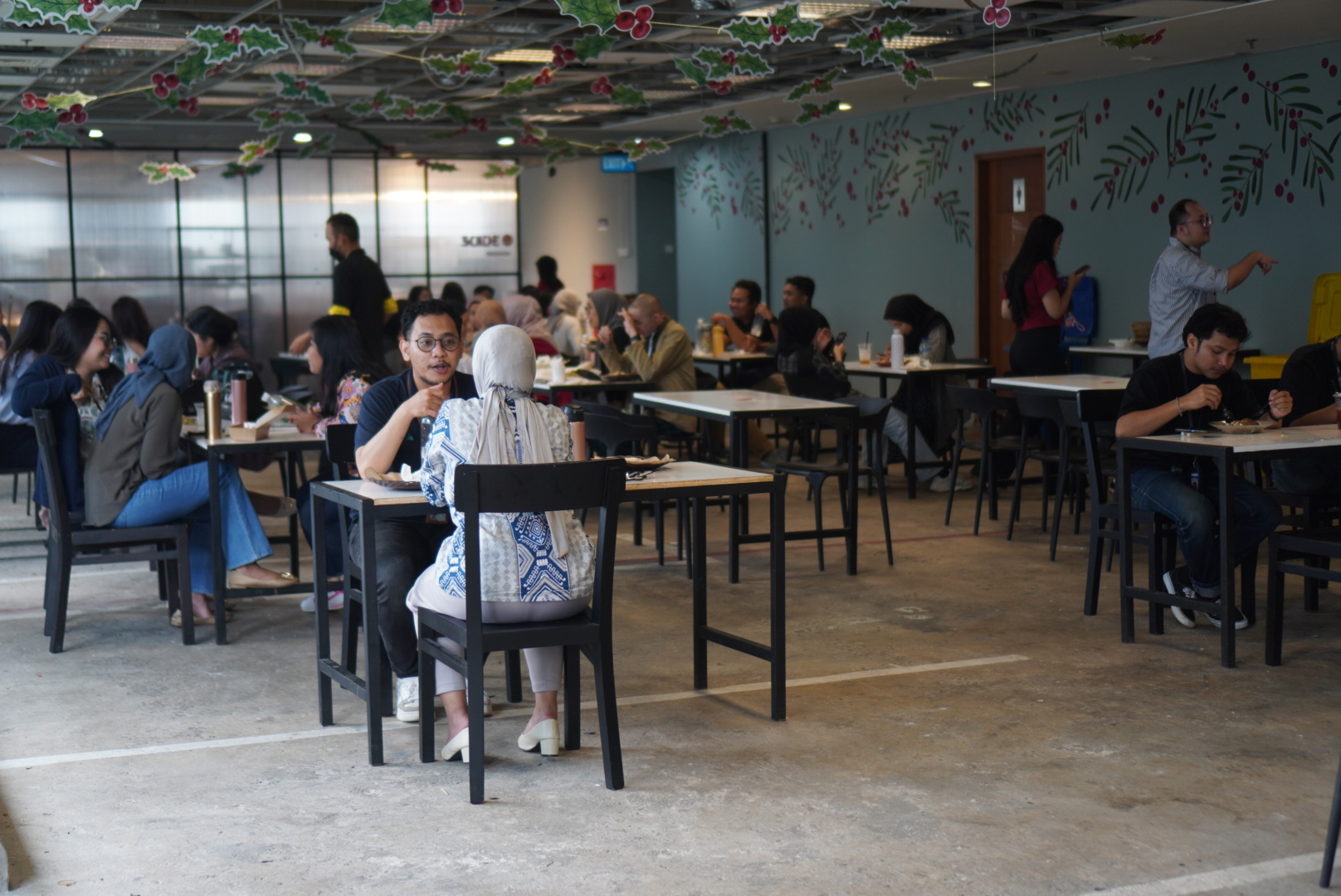
Community spaces within workplaces refer to areas that are designed for collaboration and social interactions. These include game areas, employee canteens, lounge areas, and food courts. Unlike traditional offices that prioritize workstations, community spaces emphasize social engagement and relaxation, allowing employees to unwind and connect with colleagues.
Psychological Benefits
Incorporating community spaces into the workplace can significantly improve mental well-being. Studies indicate that social interactions reduce stress levels, promote happiness, and provide a support system for employees. Environments that encourage socializing can lead to reduced anxiety and a more positive work atmosphere.
Enhancing Collaboration and Creativity
Space layout can foster spontaneous interactions among employees and facilitate collaborative brainstorming sessions. By providing spaces to meet informally, companies reduce barriers to communication and spur innovation.
Cultural Impact
When community spaces are present, they reflect a company’s commitment to employee well-being. This cultivates an inclusive workplace culture that values collaboration and shared experiences. A positive culture can lead to higher employee morale and ultimately to better performance.
Case Studies: Successful Implementation of Community Spaces
Known for its unconventional office designs, Google includes numerous community areas where employees can gather, socialize, and recharge. This has been directly tied to their well-documented innovation and employee satisfaction.
Airbnb
With an open layout in their headquarters, Airbnb employees can move freely between workstations and community areas. Such designs encourage employees to interact more frequently, enhancing creativity across departments.
Creating Effective Community Spaces
While the benefits of community spaces are evident, the successful implementation involves thoughtful planning. Here are key elements to consider:
Designing Multidimensional Spaces
Community areas shouldn’t be one-size-fits-all. Incorporate different types of spaces, such as quiet lounges for casual meetings, game areas for breaks, and larger spaces for group gatherings. The diversity in space usage caters to varying employee needs and preferences.
Natural Elements
Ensure that community spaces have a connection to nature. Elements such as plants, natural lighting, and outdoor connections can improve the mood and creativity of workers.
Flexible Furniture
Equip spaces with versatile furniture that can adapt to different group sizes and activities. Mobile furniture allows employees to arrange the area based on their immediate needs, fostering a sense of ownership and comfort.
Technology Integration
Incorporate technology into community spaces to support collaboration. For instance, interactive screens for brainstorming sessions can facilitate real-time idea sharing among teams.
Encourage Participation
Host regular events in community spaces to initiate interactions among employees. Social events, team-building activities, and health initiatives can further enforce the use of these areas and promote a vibrant workplace culture.
Overcoming Challenges with Community Spaces
Despite the many benefits, implementing community spaces is not without its challenges. Here’s how companies can address potential pitfalls:
Potential Resistance from Employees
Some employees may initially resist using community spaces or feel reluctant to step outside their comfort zones. Encourage participation through incentives, bringing in experts to lead workshops, and fostering a culture that celebrates interaction.
Balancing Work and Play
Companies need to strike a balance between work and play in these community spaces, ensuring that they don’t become disruptive. Establish guidelines that encourage informal gatherings while promoting focus periods.
Continual Assessment
Solicit feedback regularly from employees about these spaces and adjust as necessary. Adaptability is key in creating an environment that meets evolving employee needs.
Conclusion: Where Do We Go from Here?
In our increasingly connected yet disconnected world, fostering a sense of community within workplaces is vital for employee satisfaction and performance. On-site community spaces like compound areas, game zones, employee canteens, and food court areas serve as a remedy for these challenges. By rethinking workplace design through intentional community spaces, you can draw employees out of their shells, rekindling connections and strengthening workplace culture. So what changes can you make at home or in your organization? Rethink your workplace design today and explore how community-focused spaces can breathe new life into your work environment. For more insights or to take the next step towards transforming your workplace. Remember, it’s not just about building a better office; it’s about creating a connected community.